
Call Now For Confidential Help
(914) 594-5851

An intervention is a carefully planned process where family, friends, and professionals come together to encourage a loved one struggling with substance abuse to seek help.
Read More »

Addiction doesn’t just affect the individual it impacts the entire family. Loved ones often experience pain, confusion, stress, and helplessness as they watch someone struggle with substance use.
Read More »
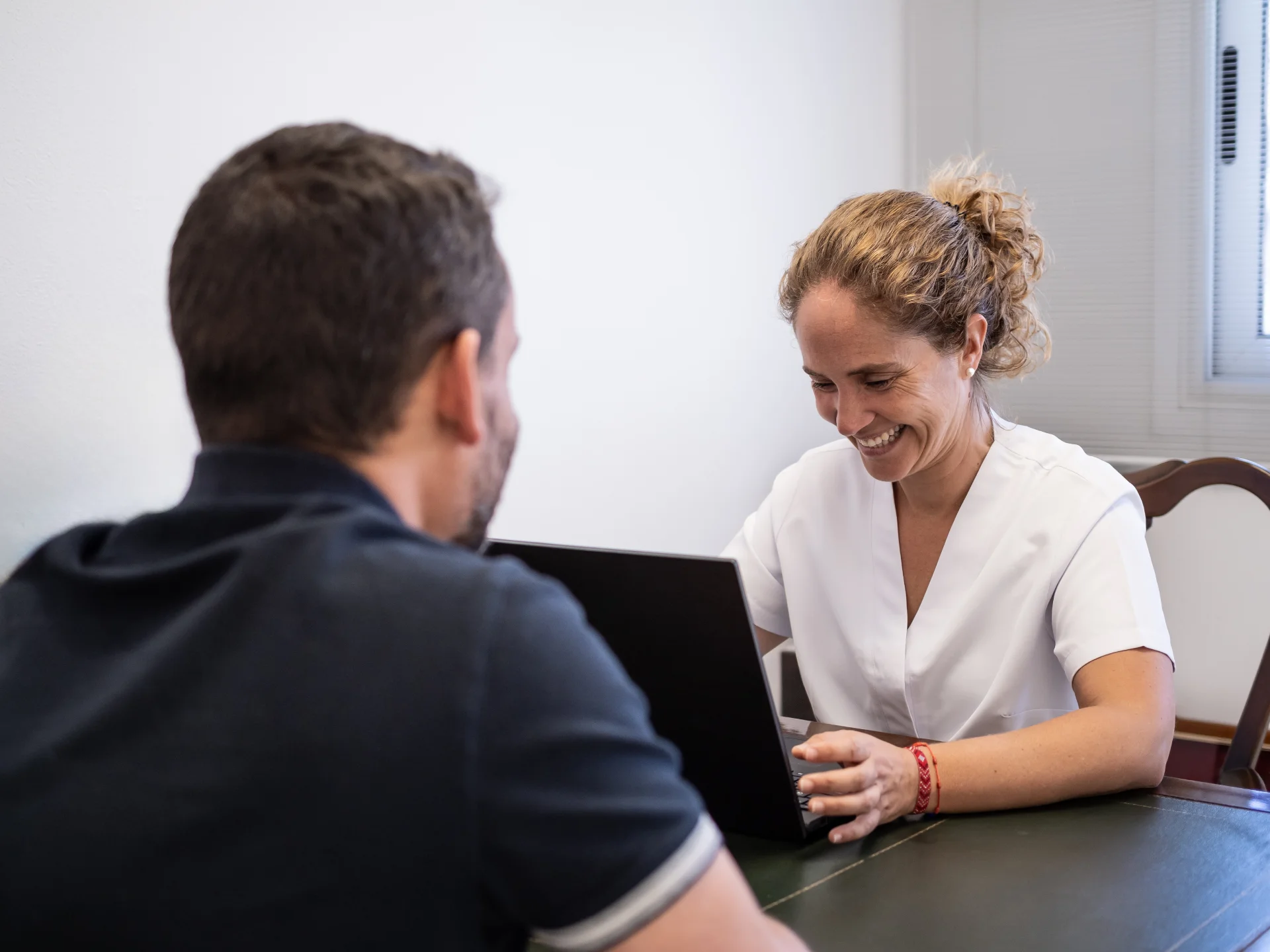
Recovery doesn’t end when treatment begins — in many ways, that’s just the start of the journey. As individuals transition back to daily life, ongoing support becomes essential to maintain sobriety and build a fulfilling, substance-free future.
Read More »

Your Ongoing Support Team for Lasting Change Long-term recovery doesn’t happen by chance it requires careful planning, consistent support, and a personalized strategy that evolves with each stage of the journey.
Read More »

Discreet, Respectful, and Effective Care for Executives and Public Figures. At Intervention NY, we understand that addiction does not discriminate it affects people in every profession and walk of life, including high-achieving executives, public figures, and other professionals.
Read More »

When someone you love is struggling with addiction, it affects the whole family. Our family intervention services are designed to bring clarity, support, and a structured path forward. We work directly with your family to guide the process from chaos to action helping your loved one accept treatment.
Read More »

When someone is physically dependent on drugs or alcohol, detox is often the first step. We help families quickly and safely connect with licensed detox centers across New York and beyond.
Read More »

Teen addiction and mental health issues require a special approach. Our teen intervention services are built to meet young people where they are—with compassion, structure, and an age-appropriate plan.
Read More »

Aftercare is the ongoing support and structure someone needs after leaving a rehab or detox program. It might include therapy, outpatient care, sober housing, medication support, and family counseling. We make sure no one is left to figure it out alone.
Read More »
mental health, mike loverde, intervention services, treatment center, rehab, treatment, interventionist, addiction, concern, family recovery, intervention, drug, early intervention program, therapy, early intervention, early intervention services, early childhood intervention nyc, early childhood intervention new york
intervention on call, professional intervention services, Interventionist NYC, Alcohol Interventionist Near Me, intervention help near me, addiction interventionist near me, intervention specialist near me, mental health intervention new york, new york intervention services, alcohol interventionist new york, family intervention services, drug intervention services new york, executive recovery coaching new york, professional interventionist near me, interventiononcall
At Intervention NY, we specialize in providing tailored intervention services designed to address the unique needs of individuals struggling with addiction. Our trained interventionists work closely with families to create a supportive environment that encourages the individual to seek help.
We utilize evidence-based techniques and compassionate communication strategies to facilitate successful interventions. Each intervention is customized, taking into account the individual's history and family dynamics, ensuring a respectful and effective approach to recovery.
Recovery coaching is a vital service we offer, aimed at guiding individuals through the recovery process after an intervention. Our certified recovery coaches provide ongoing support, motivation, and accountability, helping clients navigate the challenges of early sobriety.
Through personalized coaching sessions, clients learn essential coping strategies, set achievable goals, and build a support network. This service not only aids in maintaining sobriety but also empowers individuals to reclaim their lives and pursue their passions.
Understanding addiction's impact on families, we provide comprehensive family recovery support services. Our programs are designed to educate family members about addiction, improve communication, and foster a healing environment for everyone involved.
We offer workshops and counseling sessions that equip families with the tools needed to support their loved ones effectively. This holistic approach ensures that recovery is a family journey, promoting unity and understanding throughout the process.
Executive intervention is a specialized service we provide for professionals struggling with addiction. Recognizing the unique pressures faced by executives, our interventions are discreet and tailored to maintain confidentiality while effectively addressing the individual's addiction.
We collaborate with industry experts to ensure that the intervention process respects the individual's professional obligations while prioritizing their health. Our goal is to facilitate a smooth transition into treatment, allowing executives to regain control of their lives and careers.