Benjamin Zohar, NCACIP
His work focuses on family-centered interventions, family preparation, treatment navigation, placement coordination and recovery education.
Meet Benjamin
Long Island · Nassau County
Family preparation, drug and alcohol intervention planning, treatment admissions coordination, and twelve months of family coaching in Nassau County.
$2,750 local package applies
Nassau is the easier half of Long Island to plan an intervention in, for one unglamorous reason: everything is close. Detox, residential and intensive outpatient programs are reachable within the county or just over the Queens line, which means the gap between somebody agreeing and somebody being admitted can be measured in hours rather than days. That gap is where most interventions are lost, so the geography here is a genuine advantage.
The difficulty Nassau families run into is a different one. This is a county where a great deal of value is placed on things looking fine, and we speak to a lot of parents who have spent two or three years quietly absorbing the cost of a problem rather than naming it — paying off a credit card, covering a lease, explaining away a job that ended. By the time we are called, the family has often been functioning as an unpaid support system for long enough that the boundaries question is the hardest part of the preparation, not the conversation itself.
Alcohol is what we are called about most often here, and it is the substance families find hardest to treat as urgent, because the person is usually still working, still driving, still showing up. High-functioning does not mean low-risk, and alcohol is one of the few substances where stopping abruptly without medical supervision is genuinely dangerous. That shapes how we plan the first forty-eight hours.
Nassau households are also where we most often meet the teenage and early-twenties version of this, and where parents are most likely to have been managing it privately through a school, a sports program or a family doctor. If there has already been a suspension, a diversion program or a conversation with a dean, that is useful history rather than something to be embarrassed about — it tells us what has already been tried and what your son or daughter has already learned to say.
A last Nassau-specific point about privacy: the county is dense and the social circles overlap heavily, but the city is twenty minutes away. A family worried about running into people they know at a local program has genuinely good options just over the line in Queens, and that is frequently the compromise we end up recommending — close enough for family involvement, far enough to be nobody’s business.
Roughly ninety minutes to two hours from our Putnam County base. Close enough that we can often begin planning the same day when a situation cannot wait.
Contact us to discuss scheduling and arrangements for your family. If someone is in immediate danger, call 911.
Roughly ninety minutes to two hours from our Putnam County base, and no travel charge — Nassau is inside the flat rate. Close enough that we can often begin planning the same day when something cannot wait.
A weekend morning, usually 8 to 9am, for commuting households. Where the person is at home during the week, a weekday morning is often calmer, because the rest of the family is not also managing a Saturday.
The family home, most of the time. Where there are younger children in the house, the usual arrangement is that they are at a relative’s for the morning — that one decision changes the room more than any other we make here.
We aim for him to go without delay. In Nassau the gap between agreeing and being admitted can be a couple of hours rather than a couple of days, because detox and residential programs in the county or just over the Queens line are reachable immediately. That short gap is the biggest single advantage this county has.
We listen, answer your questions, and help you consider whether an intervention is the right next step.
We help family members get informed, discuss their concerns, and prepare for a focused conversation.
We facilitate the intervention and help coordinate treatment admissions with the receiving provider.
The package includes twelve months of family coaching afterward as your family considers what comes next.
The people behind the plan
Family preparation, intervention planning, and support for the next step.
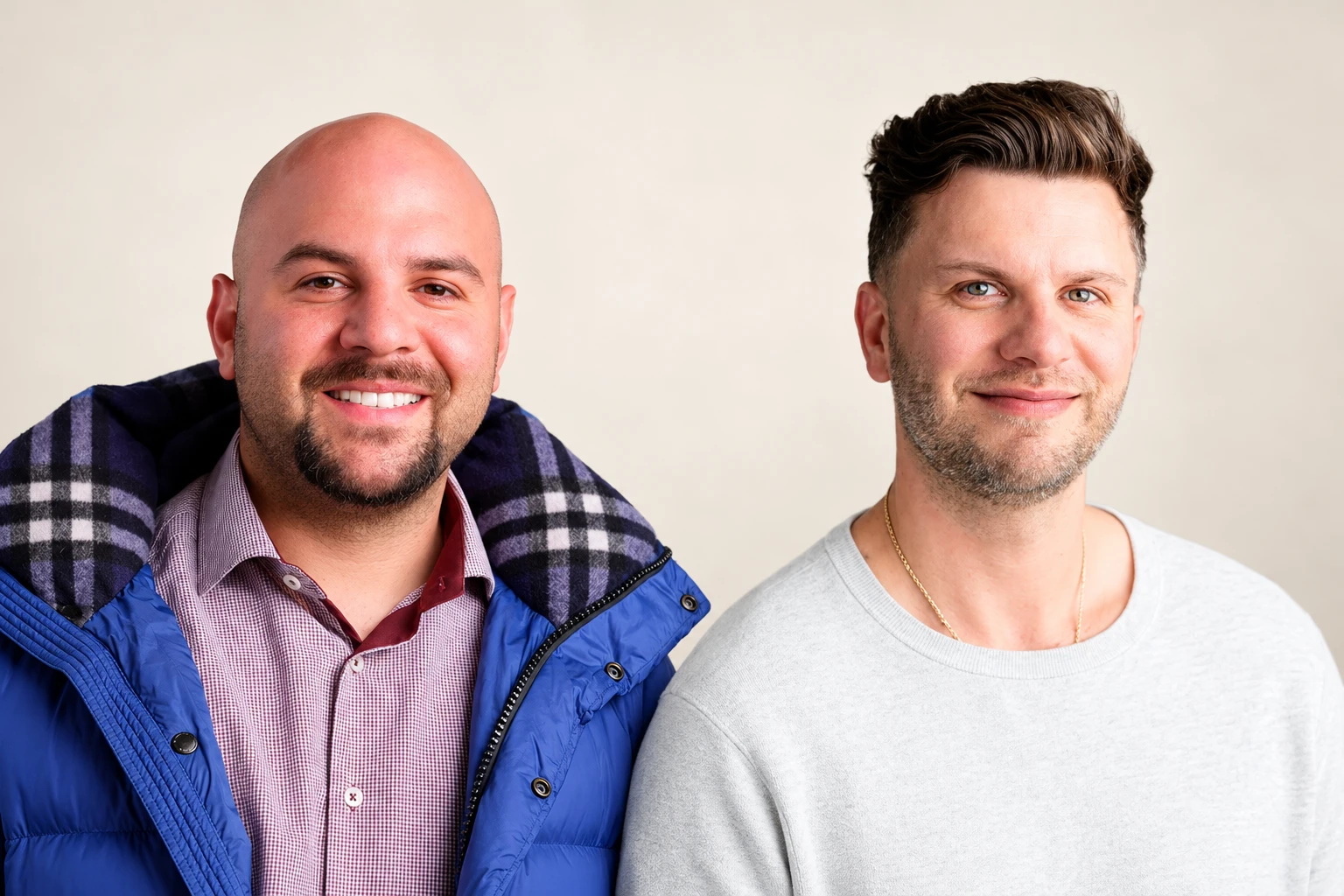
His work focuses on family-centered interventions, family preparation, treatment navigation, placement coordination and recovery education.
Meet BenjaminChristopher works directly with families before, during and after the intervention process. His approach emphasizes preparation, alignment, safety and dignity.
Meet ChristopherNCACIP is a private certification issued by The Addictions Academy. New York does not license the title “interventionist.”
Intervention New York provides intervention planning and family coaching. We do not provide detox, rehab, or medical care.
Call or text 24/7: (914) 594-5851 · Text us
In immediate danger or a possible overdose? Call 911.
Functioning is not the same as safe, and waiting for a visible collapse is how families end up dealing with a medical emergency instead of a conversation. If you are unsure, say so on the free call and we will tell you honestly whether we think this warrants an intervention yet.
With what you are each genuinely prepared to stop doing, which is usually a shorter list than families first produce. A boundary that gets quietly abandoned in week three does more damage than never setting it. Most of the preparation time goes here rather than on the speeches.
That is a medical question for a clinician, not for us, but alcohol withdrawal is one of the few that can be life-threatening without supervision. We plan placements on the assumption that a medically supervised detox may be needed, and the admitting program makes that call.
The structure is similar and the leverage is very different, because you are still responsible for him and still control most of what he relies on. Tell us about anything the school has already done — a suspension, a diversion program, a meeting with a dean — because it tells us what he has already learned to say in these conversations.
Arrange for them to be at a relative’s house for the morning. It is the single most useful logistical decision a Nassau family makes, and families who skip it almost always regret it — the conversation gets held in half-sentences and nobody says the thing that needed saying.
Twenty minutes over the Queens line usually solves it. You keep the short drive that makes weekly family involvement realistic, and you lose the problem of seeing somebody you know in the car park. It is the compromise we end up recommending most often in this county.
We help you understand what your health plan covers for treatment. The intervention fee itself is paid privately and is not billed to insurance.
All frequently asked questionsWe link to government health agencies and nonprofit family organizations only. Nothing on this page is medical advice, and none of these organizations endorse Intervention New York.
We link to government health agencies and nonprofit family organizations only. Nothing on this page is medical advice, and none of these organizations endorse Intervention New York.
If someone is in immediate danger, call 911 rather than driving. These are public orientation links, not treatment partners or referral arrangements.
Written by Benjamin Zohar, NCACIP. Last updated October 13, 2026.