Benjamin Zohar, NCACIP
His work focuses on family-centered interventions, family preparation, treatment navigation, placement coordination and recovery education.
Meet Benjamin
Hudson Valley · Rockland County
Family preparation, drug and alcohol intervention planning, treatment admissions coordination, and twelve months of family coaching in Rockland County.
$2,750 local package applies
Rockland is dense, diverse and unusually community-organized, and that shapes almost every intervention we run here. A great many families in this county live inside a tight social or religious structure where the question of who finds out is not a background worry but the central obstacle. We have had first calls where the family had already decided they could not act, and were phoning to see whether there was any version of this that stayed inside the household.
There usually is. We plan arrivals discreetly, we will hold the conversation somewhere other than the home when that is safer socially, and we are entirely used to working with families who want a particular community leader involved — or very specifically not involved. What we will not do is pretend that privacy concerns are irrational in order to move things along faster.
Geographically Rockland is straightforward for us but unusual for families: the county sits across the river from most of the region, which means a treatment placement in Westchester or Putnam involves a bridge and a toll and, more importantly, a psychological sense of distance that some families want and others resist. It is worth deciding deliberately rather than defaulting to whatever is nearest.
Marriage and extended family carry more weight in the planning here than in most counties we work in. It is common for the room to include in-laws, for a spouse’s parents to be funding the treatment, and for the person whose view actually decides the matter to live outside the immediate household altogether. None of that is a problem, but it has to be mapped before the day — an intervention in which the real decision-maker was never consulted tends to unravel inside a week.
The last thing worth saying plainly: confidentiality in a county like this is practical rather than philosophical. It means an ordinary car with nothing written on it, no paperwork left behind, no contact with anyone we have not been asked to contact, and a willingness to meet somewhere other than the house if a car in the driveway for three hours is itself the thing that would be noticed.
About an hour from our Putnam County base across the river. Close enough for same-week scheduling; we can often begin planning the same day.
Contact us to discuss scheduling and arrangements for your family. If someone is in immediate danger, call 911.
About an hour from Mahopac, across the Hudson. Inside the flat local rate with no travel surcharge, and close enough that same-week scheduling is normal.
Morning, usually 8 to 9am. We avoid Friday afternoons and plan around the sabbath and religious holidays as a matter of course — tell us on the first call what the week looks like for your family and we build the date around it.
The home where that is private enough. Where a car outside for three hours would itself be noticed, families here regularly use a relative’s house in another part of the county, and it works perfectly well — the room matters far less than who is in it and what has been prepared.
Transport when they agree to the program. If the placement is across the river in Westchester or Putnam, the bridge is around twenty minutes and we drive it. Where a community figure is to be involved afterward, we agree exactly who is told what before we leave rather than by phone the next day.
We listen, answer your questions, and help you consider whether an intervention is the right next step.
We help family members get informed, discuss their concerns, and prepare for a focused conversation.
We facilitate the intervention and help coordinate treatment admissions with the receiving provider.
The package includes twelve months of family coaching afterward as your family considers what comes next.
The people behind the plan
Family preparation, intervention planning, and support for the next step.
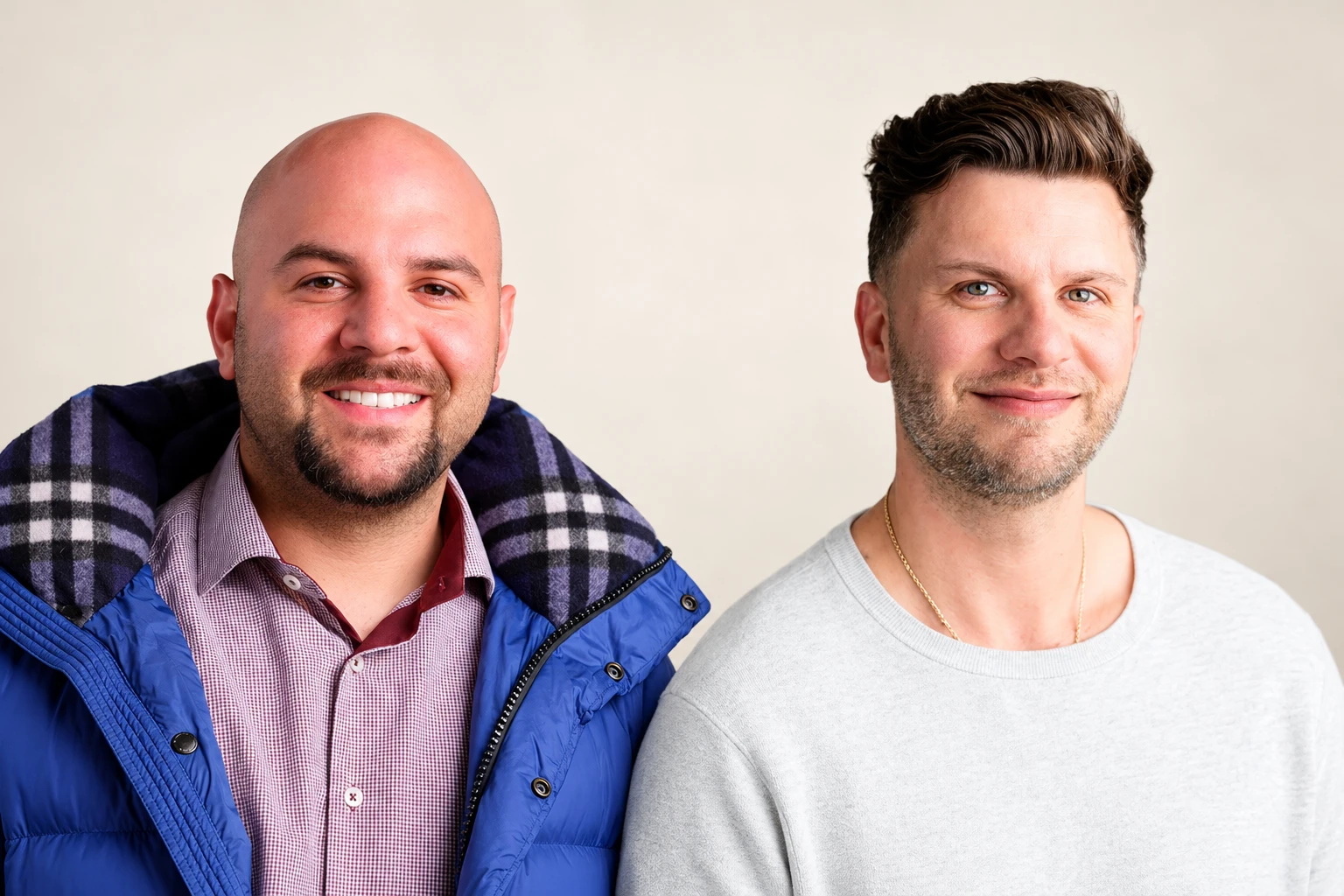
His work focuses on family-centered interventions, family preparation, treatment navigation, placement coordination and recovery education.
Meet BenjaminChristopher works directly with families before, during and after the intervention process. His approach emphasizes preparation, alignment, safety and dignity.
Meet ChristopherNCACIP is a private certification issued by The Addictions Academy. New York does not license the title “interventionist.”
Intervention New York provides intervention planning and family coaching. We do not provide detox, rehab, or medical care.
Call or text 24/7: (914) 594-5851 · Text us
In immediate danger or a possible overdose? Call 911.
Yes. We tell no one, we bring nothing identifiable, and we are comfortable holding the conversation away from the home if that is safer socially. Who else is involved is your decision and we will plan around whatever you choose.
Not at all, and sometimes it is the most useful voice present. The only thing we ask is that they prepare along with everyone else, because an unprepared contribution on the day — however well meant — is what most often derails the room.
It depends what you want the distance to do. Crossing the river puts useful separation between your relative and the places tied to using. Staying local makes family visits easier. Both are defensible and we will lay out the trade rather than decide for you.
Yes, and we do so routinely in this county. Tell us the constraints on the first call and we will schedule inside them. We would rather wait four days for a date that does not create a second problem for your family.
Possibly, and either way they need to be in the planning. Where the money and the decision sit with someone outside the household, an intervention that ignores them tends to come apart in the following week. We map who actually holds what before we agree who is in the room.
We come in an ordinary car with no markings, we carry nothing branded, and we leave no paperwork in the house. If that is still too visible for your situation, we hold it somewhere else — that is a normal request here, not an awkward one.
We help you understand what your health plan covers for treatment. The intervention fee itself is paid privately and is not billed to insurance.
All frequently asked questionsWe link to government health agencies and nonprofit family organizations only. Nothing on this page is medical advice, and none of these organizations endorse Intervention New York.
We link to government health agencies and nonprofit family organizations only. Nothing on this page is medical advice, and none of these organizations endorse Intervention New York.
If someone is in immediate danger, call 911 rather than driving. These are public orientation links, not treatment partners or referral arrangements.
Written by Benjamin Zohar, NCACIP. Last updated October 13, 2026.