Benjamin Zohar, NCACIP
His work focuses on family-centered interventions, family preparation, treatment navigation, placement coordination and recovery education.
Meet Benjamin
New York City · Queens County
Family preparation, drug and alcohol intervention planning, treatment admissions coordination, and twelve months of family coaching in Queens.
$2,750 local package applies
The recurring theme in Queens is shame carried by the whole family rather than by one person. We speak with a lot of parents whose first question is not about treatment at all — it is whether anyone else will find out, and what it will mean within their community if they do. That concern is not vanity and we do not treat it as an obstacle to be argued away. It is usually the thing that has delayed the call by a year, so it goes into the plan.
A second pattern worth naming: in a lot of the families we work with here, the person struggling is also the one carrying the household’s expectations — the eldest son, the one who was going to be a doctor, the one the visa or the business was built around. An intervention that reads as an accusation of failure in that context will fail. One that separates the person from the obligation has a chance.
Queens is also the borough where we most often find that a family has already tried, quietly and repeatedly, on its own. That history matters. Walking in without knowing what has already been said, and what was promised and broken last time, means repeating a conversation that has already stopped working.
Immigration status comes up in this borough more than any other, and we handle it the same way every time: we are not immigration lawyers, we do not advise on status, and we do not ask about it unless you raise it. What we will do is make sure that if it is a genuine fear in your family — about treatment, about insurance, about a hospital admission — the question is put to somebody qualified before the conversation, rather than surfacing on the day as the reason nobody can agree to anything.
Work patterns here also shape the timing in a way that catches families out. Where somebody drives for a living, works nights at an airport, or is holding two jobs across the week, there may be no morning in the next fortnight when the whole family is awake at the same hour. We would rather spend an extra week finding that single usable window than hold the conversation at a time when half the room is coming off a shift.
Around seventy-five minutes from our Putnam County base. Eastern Queens is often the easiest part of the city for us to reach quickly.
Contact us to discuss scheduling and arrangements for your family. If someone is in immediate danger, call 911.
About seventy-five minutes from our Putnam County base, and eastern Queens — Bayside, Douglaston, Little Neck — is among the quickest parts of the city for us to reach at short notice.
Whenever the household is genuinely all awake at once, which in a borough of shift workers and two-job weeks can take some finding. Often that is a weekday morning rather than a weekend, and it is worth waiting a week for.
The family home in almost every case. Where part of the family is worried about being seen, we stagger arrivals and come in an ordinary car with nothing marked on it — in practice nobody outside the household knows this is happening.
Directly to the program, admission confirmed beforehand. Where there are questions about insurance, status or anything else that might stall an admission, we have had those answered by somebody qualified during the planning, so they are not discovered at the intake desk.
We listen, answer your questions, and help you consider whether an intervention is the right next step.
We help family members get informed, discuss their concerns, and prepare for a focused conversation.
We facilitate the intervention and help coordinate treatment admissions with the receiving provider.
The package includes twelve months of family coaching afterward as your family considers what comes next.
The people behind the plan
Family preparation, intervention planning, and support for the next step.
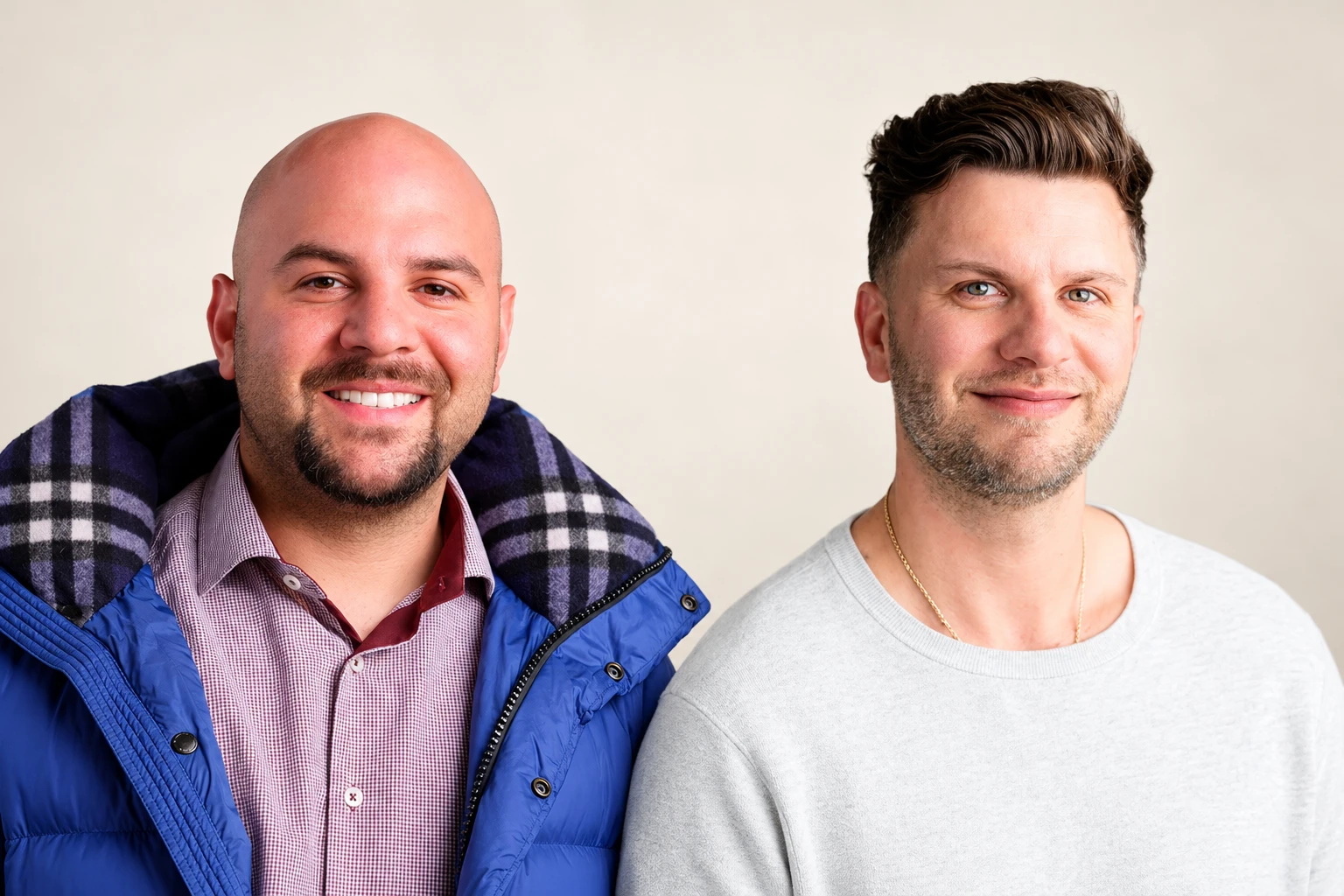
His work focuses on family-centered interventions, family preparation, treatment navigation, placement coordination and recovery education.
Meet BenjaminChristopher works directly with families before, during and after the intervention process. His approach emphasizes preparation, alignment, safety and dignity.
Meet ChristopherNCACIP is a private certification issued by The Addictions Academy. New York does not license the title “interventionist.”
Intervention New York provides intervention planning and family coaching. We do not provide detox, rehab, or medical care.
Call or text 24/7: (914) 594-5851 · Text us
In immediate danger or a possible overdose? Call 911.
Not from us. We do not discuss your family with anyone, we do not use identifiable family stories in anything we publish, and nothing we send you is marked on the outside. Who you choose to tell is entirely yours to decide, and we will help you think through that if it is useful.
Often better than families expect, because the structure does the part nobody knows how to start. Each person reads something prepared in advance rather than improvising, which removes most of what makes the conversation unbearable. If a formal intervention is genuinely wrong for your family, we will say so on the first call.
No, but it is important information. Tell us what was said, what was promised, and what happened afterward. Repeating a conversation that has already been ignored is the single most common way a family intervention gets dismissed before it has started.
We are not immigration lawyers and we will not pretend to be. What we will do is make sure the question is put to somebody who is, before the conversation rather than during it. An unanswered fear of this kind becomes the reason a family stalls for another year, and it rarely turns out to be what people assumed.
We find the one window that works, even if it is a Tuesday at seven in the morning, and we take a fortnight to find it if necessary. Holding it at a convenient hour when half the room has just come off a shift is worse than waiting.
Yes, and in this borough they are frequently the voice that lands. We plan which language each person speaks in and in what order, so nothing that matters is lost in a conversation that only half the room can follow.
We help you understand what your health plan covers for treatment. The intervention fee itself is paid privately and is not billed to insurance.
All frequently asked questionsWe link to government health agencies and nonprofit family organizations only. Nothing on this page is medical advice, and none of these organizations endorse Intervention New York.
We link to government health agencies and nonprofit family organizations only. Nothing on this page is medical advice, and none of these organizations endorse Intervention New York.
If someone is in immediate danger, call 911 rather than driving. These are public orientation links, not treatment partners or referral arrangements.
Written by Benjamin Zohar, NCACIP. Last updated October 18, 2026.