Professional Interventionists in New York
A professional interventionist helps a family plan and lead a calm, structured conversation that asks a loved one to accept treatment. Intervention NY’s interventionists are NCACIP certified and work across New York City, Westchester, Long Island and the lower Hudson Valley. Our local package is $2,750, and we take no referral payments from treatment programs.
Written by Benjamin Zohar, NCACIP and Christopher Veto, NCACIP. Last updated on 13 October 2026.
If someone is in immediate danger, call 911. For a mental health crisis, call or text 988.
What a professional interventionist does
A professional interventionist is a guide for the family. The job is to turn worry and arguments into a calm plan, and to make sure help is ready if your loved one says yes.
| An interventionist does | An interventionist does not |
|---|---|
| Prepare each family member and agree on one clear ask | Diagnose a substance use disorder or mental illness |
| Help choose a licensed treatment program that fits | Prescribe medicine or manage withdrawal |
| Arrange admission details ahead of time | Provide treatment, detox or therapy |
| Lead the intervention meeting and keep it calm | Force anyone into treatment |
| Coordinate travel and next steps | Promise that your loved one will say yes |
Drug interventions vs. alcohol interventions
The steps of an intervention are the same for drugs and alcohol. What changes is the planning around safety, detox and the type of program.
| Concern | What changes in planning | Detox considerations | Learn more |
|---|---|---|---|
| Alcohol | Timing the meeting for a sober window. Planning for denial that drinking is "normal." | Withdrawal can be dangerous. Medically supervised detox is often needed first. | Alcohol |
| Opioids and fentanyl | Moving quickly once there is a yes. Talking with providers about medication for opioid use disorder. | Overdose risk rises after a break in use. Keep naloxone on hand. | Opioids |
| Benzodiazepines | Coordinating with the prescriber where possible. | Stopping suddenly can be dangerous. A medical taper is usually required. | Benzodiazepines |
| Prescription pills | Sorting out which prescriptions are legitimate and which are misused. | Depends on the medicine. A medical assessment guides the plan. | Prescription pills |
| Cocaine and stimulants | Planning for mood swings, paranoia or sleep loss around the meeting. | Usually not medically dangerous, but mood and safety need watching. | Stimulants |
| Kratom | Explaining that "legal" or "natural" does not mean safe. | Withdrawal can resemble opioid withdrawal. A medical assessment helps. | Kratom |
This table is general information, not medical advice. A doctor or the treatment program decides the medical plan.
Credentials explained
New York State does not license the title “interventionist.” That means anyone can use it. Certification is how families can tell who has met a real standard.
- NCACIP stands for Nationally Certified Advanced Clinical Intervention Professional. Benjamin Zohar and Christopher Veto both hold this certification.
- What certification means: the person has completed defined training and experience, and answers to a body that can take the credential away. It is a floor, not a promise of results.
- How to verify: ask any interventionist which body issued their certification, then confirm it with that body directly. We are happy to give you the details on the first call.
- Professional membership: Intervention NY is a NAADAC organizational member. Membership is not a certification, and NAADAC does not endorse our work.
Meet the team
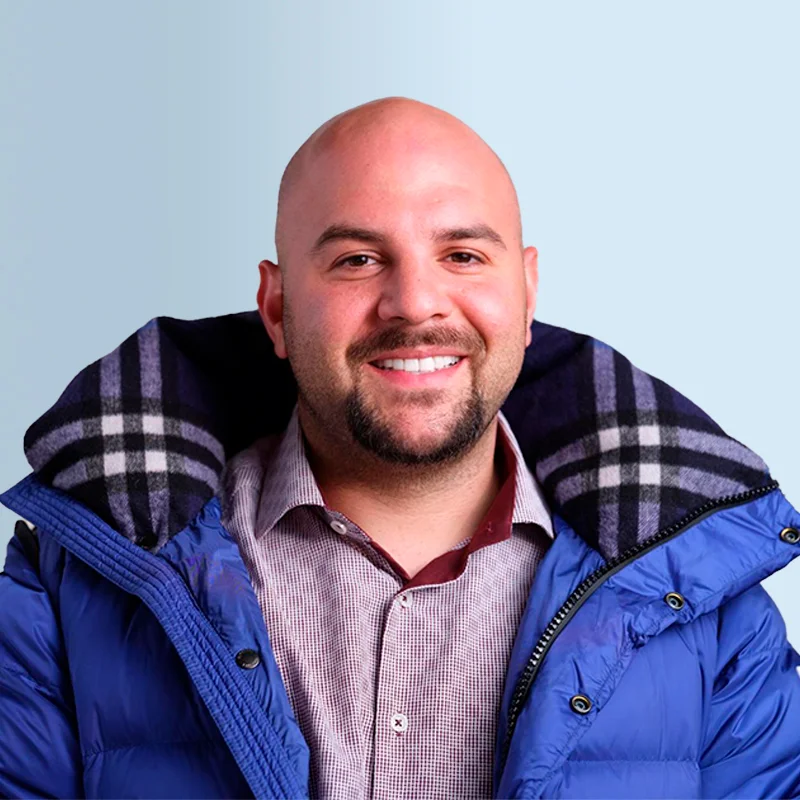 Benjamin Zohar, NCACIPCo-founder, treatment navigation
 Christopher Veto, NCACIPCo-founder, lead interventionist
The person you speak with on the first call is one of the people who will do the work. We do not hand families off to a call center.
Areas we serve
Our $2,750 local package covers the five boroughs, Westchester, Long Island and the lower Hudson Valley. Each area has its own page with local details.
New York City
Westchester and the Hudson Valley
Long Island
Upstate (travel quoted separately)
When to hire a professional
Many families try talking on their own first. That is a reasonable place to start. Consider a professional when:
- Earlier conversations turned into arguments, threats or silence.
- Family members disagree about how serious the problem is or what to ask for.
- There are withdrawal risks, such as heavy daily drinking or benzodiazepine use.
- You need treatment arranged quickly so a yes does not fall apart.
- Your loved one has refused help before.
Not sure yet? Our self-check can help, and our guide on what to ask when hiring an interventionist shows how to compare options.
Cost in brief
How we stay independent
- We accept no referral payments from treatment programs.
- Our fee is not contingent on placement or on admission to any specific provider.
- We recommend programs based on fit: level of care, clinical needs, insurance and location.
Read our referral transparency policy for the details. If you would like to read first, get the free family packet.
Questions families ask
What does a professional interventionist do?
A professional interventionist prepares the family, helps arrange treatment ahead of time, leads the intervention meeting and coordinates next steps. An interventionist does not diagnose, prescribe or provide treatment. Those are jobs for licensed clinicians and treatment programs.
Is "interventionist" a licensed profession in New York?
No. New York State does not license the title interventionist. Certification is voluntary, so it is up to families to ask which credential a person holds and to verify it with the body that issued it.
What does NCACIP mean?
NCACIP stands for Nationally Certified Advanced Clinical Intervention Professional. Both Benjamin Zohar and Christopher Veto hold it. Certification shows training and accountability to a standard. It does not guarantee any outcome.
Do you do both drug and alcohol interventions?
Yes. The steps are similar, but planning changes with the substance. Alcohol and benzodiazepines can cause dangerous withdrawal, so medically supervised detox is often part of the plan. Opioids raise overdose risk after a break in use. We plan around these details.
Which areas of New York do you serve?
Our $2,750 local package covers the five boroughs, Westchester, Long Island and the lower Hudson Valley. We also work upstate and in other areas, with travel quoted separately in writing before you commit.
How much does a professional interventionist cost?
$2,750 local package: family preparation, intervention planning, treatment placement assistance, admissions coordination, and twelve months of family coaching afterward. Sober escort, travel outside our local service area, and treatment program costs are separate.
Do you get paid by treatment programs?
No. Intervention NY does not accept payment from treatment programs for referrals or placement. Our fee is not contingent on admission to any specific provider, so our recommendations are based on fit, not fees.
When should we hire a professional instead of trying it ourselves?
Consider a professional when earlier talks have turned into arguments, the family disagrees on what to do, there are safety or withdrawal risks, or you need treatment arranged quickly. A professional also helps the family stay calm and on plan.
References
- Intervention: Help a loved one overcome addictionMayo Clinic
- FindTreatment.gov — the federal treatment locatorSAMHSA
- Find addiction treatment in New York StateNYS Office of Addiction Services and Supports (OASAS)
These organizations do not endorse Intervention NY. This page is general education, not medical or legal advice. Intervention NY is an intervention and family-navigation service. We are not a rehab, detox, hospital or treatment provider. Last updated 13 October 2026.